Tennessee Quarter Horse Association Announces More Than $15,000 in Added Awards and Prize Money for Upcoming Show through Partnership with VS Code Red and First Thingz First
(June 18, 2026--Murfreesboro, TN) The Tennessee Quarter Horse Association is excited to announce more than $10,000 in added prize money and awards for exhibitors at its upcoming show, thanks to the generous support of VS Code Red, Katie Van Slyke, Harris Leather and Silverworks, Ryan Cottingim Show Horses, and First Thingz First.
The enhanced prize lineup reflects a continued commitment from sponsors to invest directly in exhibitors and elevate the show experience for competitors of all ages and levels.
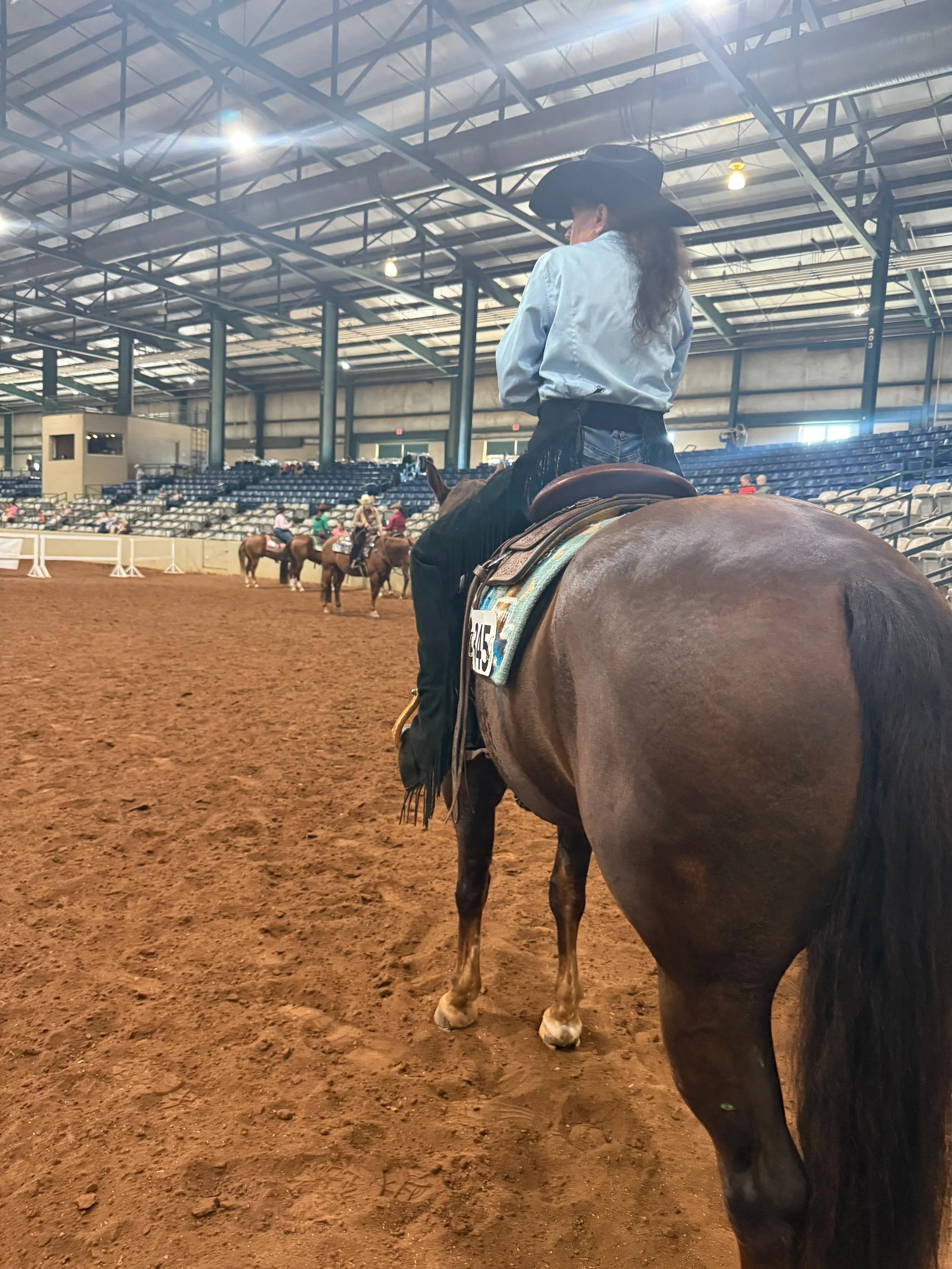
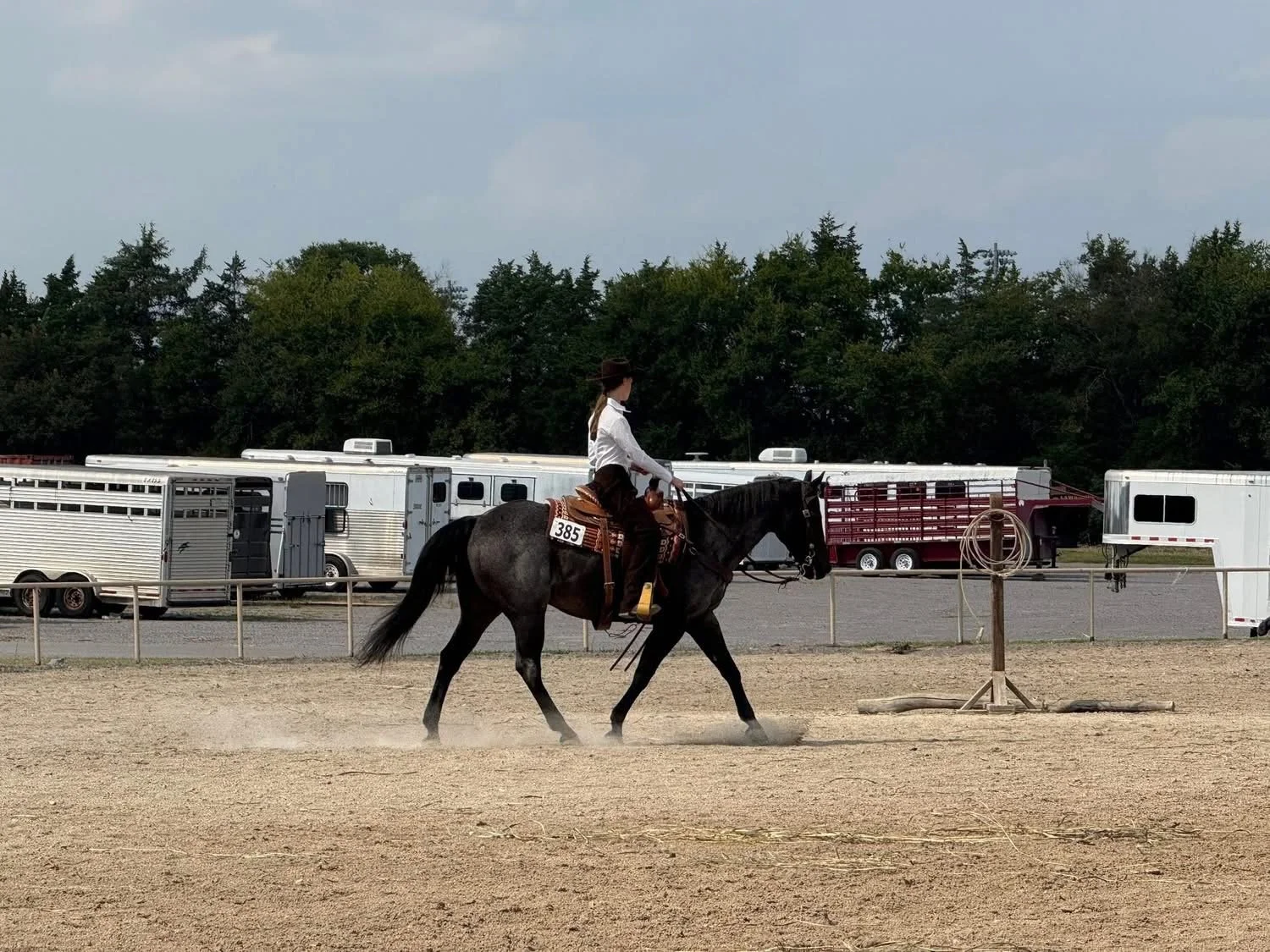
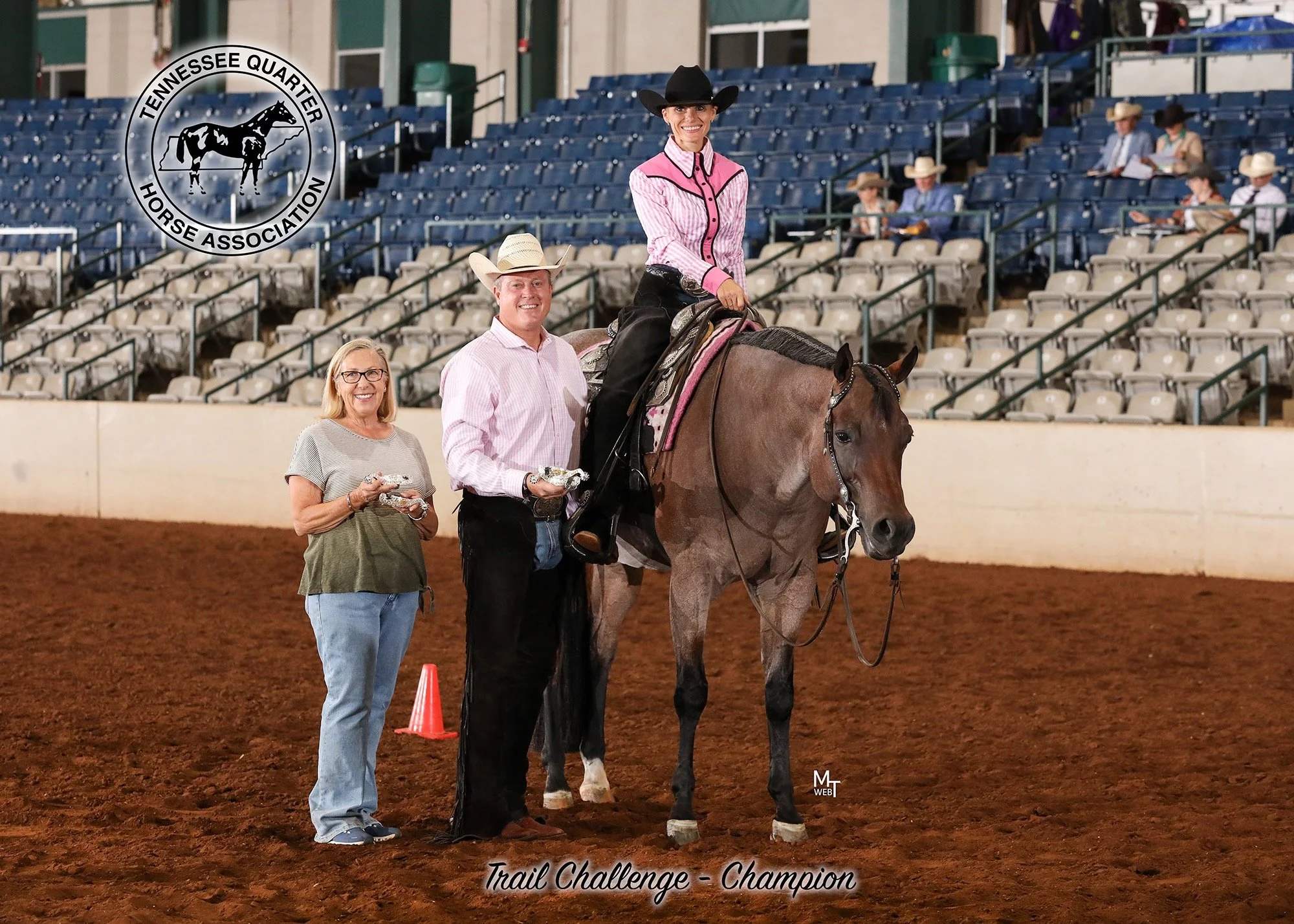
Headlining the expanded awards program is the return of the TQHA Trail Challenge, presented by Harris Leather and Silverworks, Ryan Cottingim Show Horses, and VS Code Red. The unique team competition pairs an Open rider with a Non-Pro rider to tackle a challenging trail course together, creating one of the most anticipated events of the show.
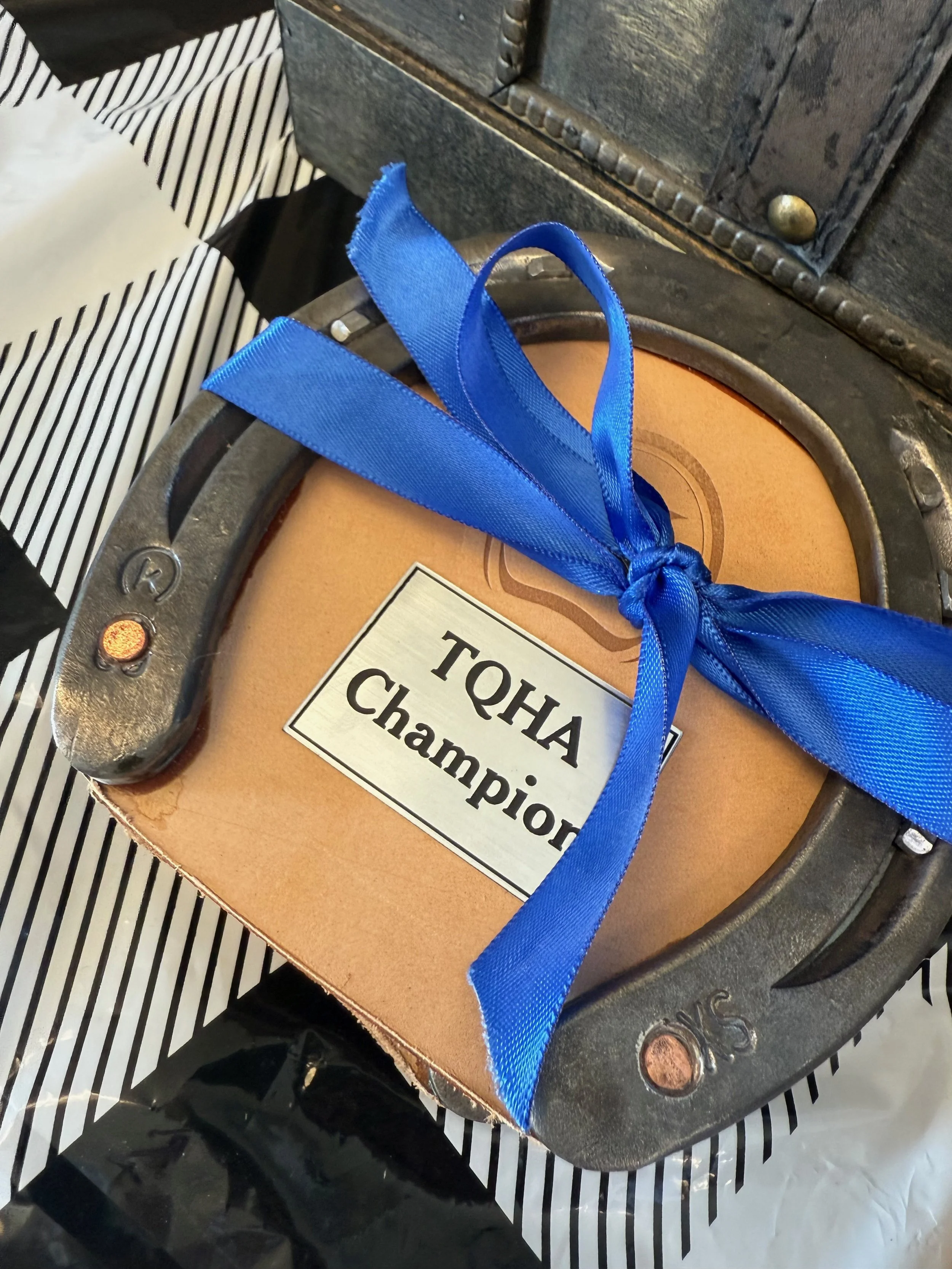
The Trail Challenge will feature a $5,000 purse sponsored by VS Code Red and Katie Van Slyke, with $3,500 paid to the top five overall teams and an additional $1,500 awarded to eligible Level 2 teams. Members of the winning team will also receive custom silver spurs sponsored by Harris Leather and Silverworks and Ryan Cottingim Show Horses. A nominal entry for teams of $75 is required for entry and limited to 20 teams.
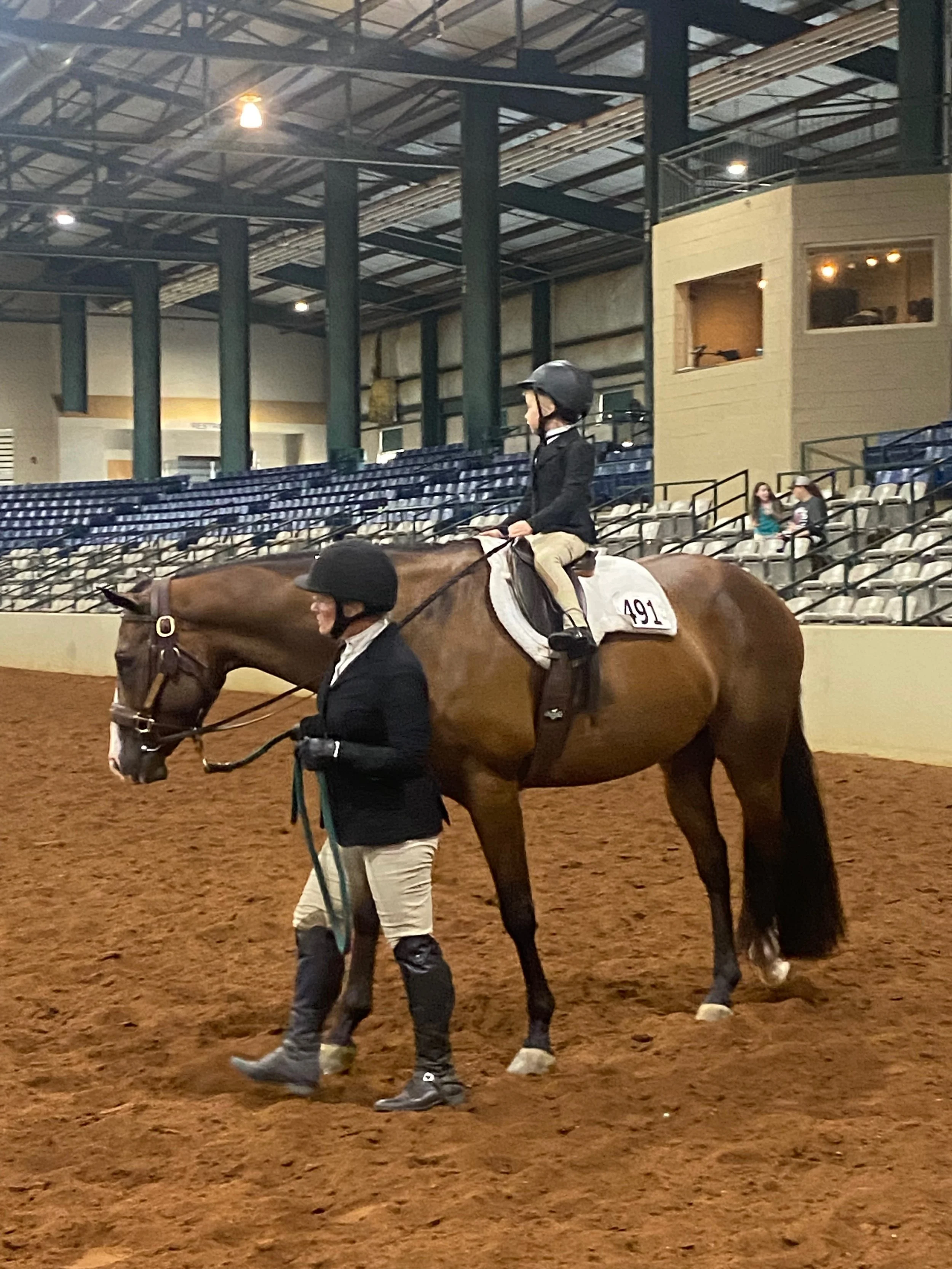
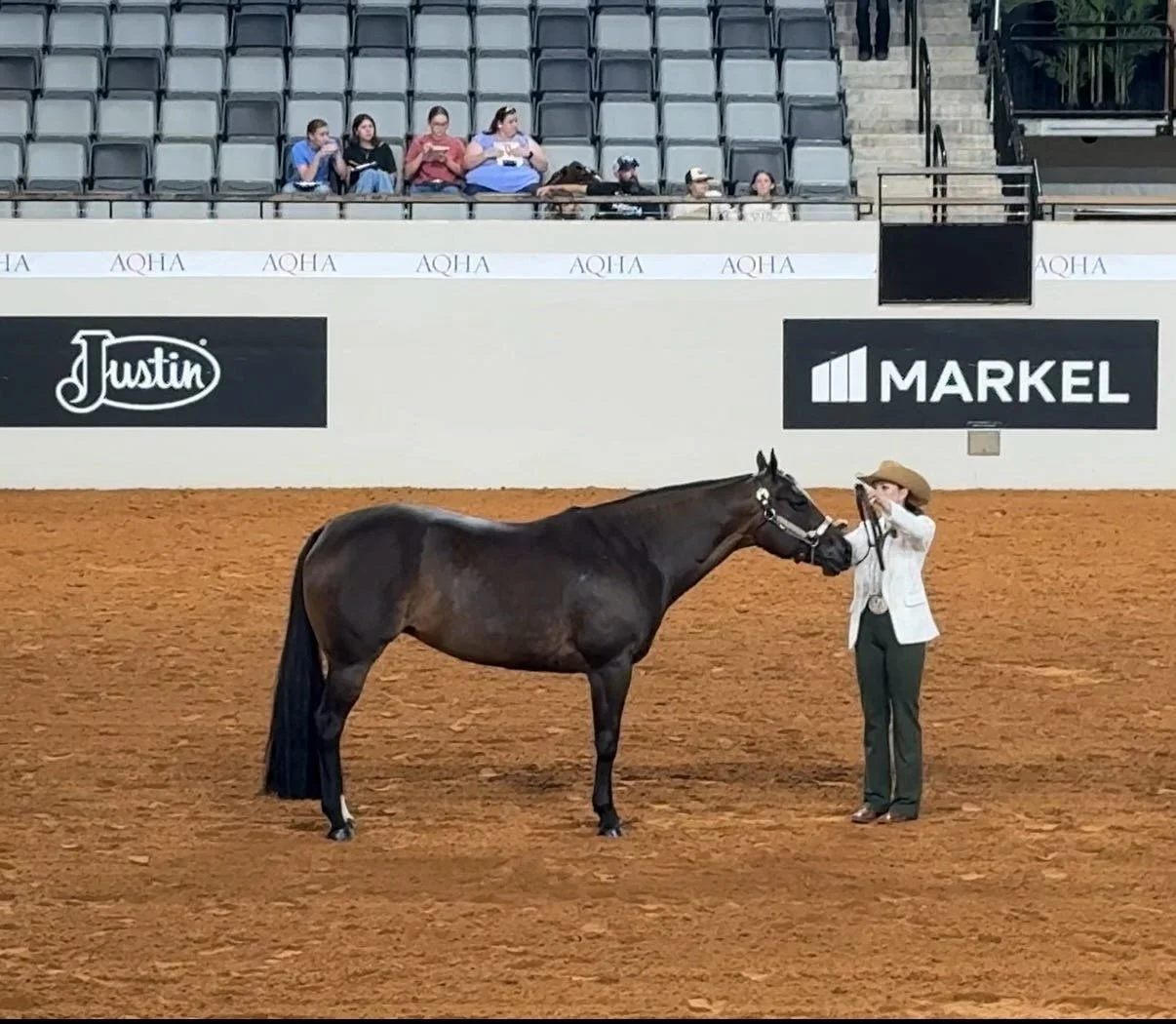
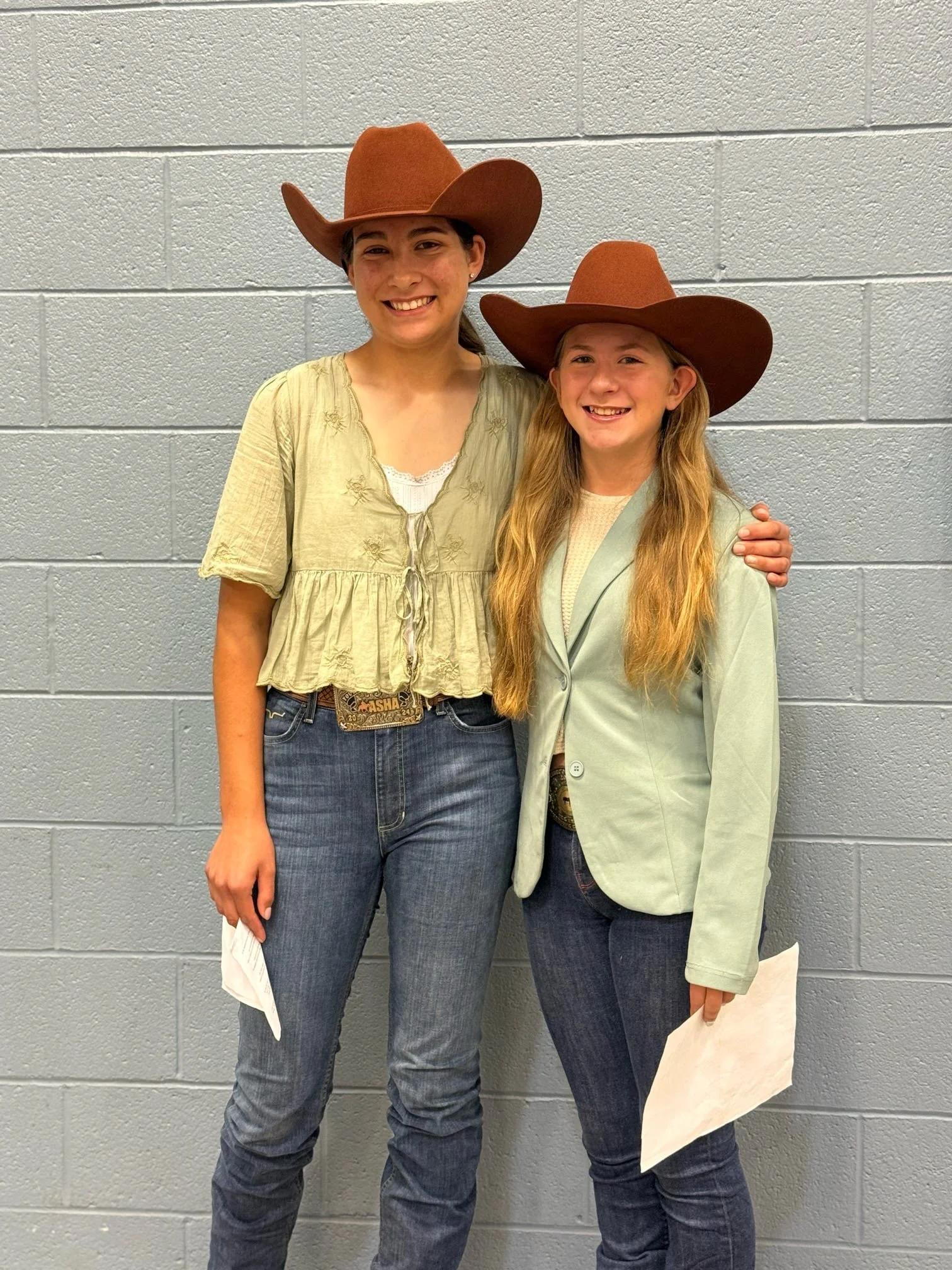
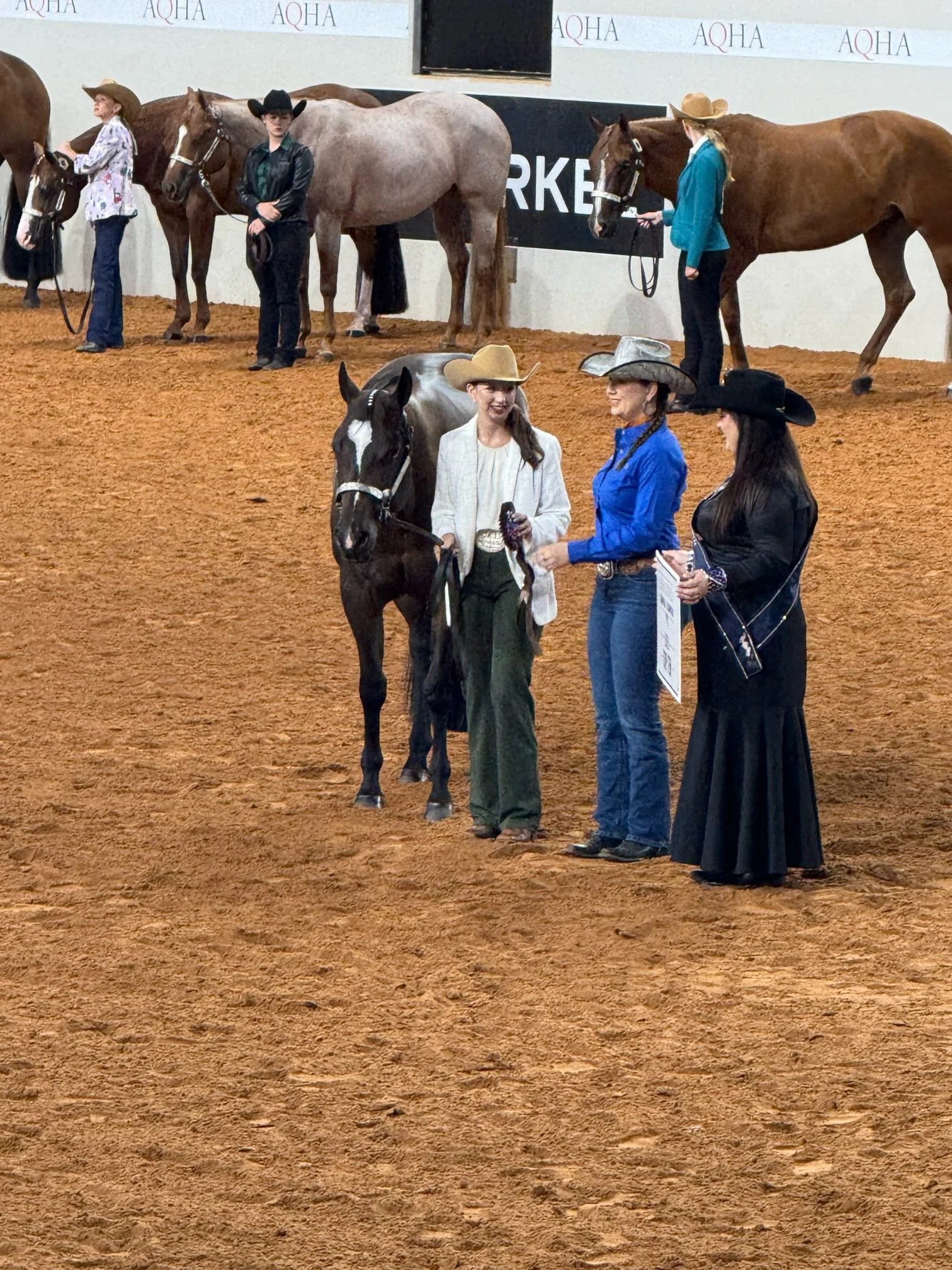
In addition to the Trail Challenge, Katie Van Slyke and First Thingz First have partnered with TQHA to provide added money and awards in twelve youth and amateur all-around classes. Showmanship, Horsemanship, and Equitation classes for Youth 13 & Under, Youth 14-18, Amateur, and Select Amateur exhibitors will each offer $500 in added money along with a custom championship belt buckle.
"TQHA is incredibly fortunate to have sponsors who are passionate about investing directly in our exhibitors," said Lisa Elam, TQHA Sponsorship Chair. "These partnerships allow us to create unique opportunities, increase the value of our events, and reward the hard work our exhibitors put in every time they walk into the arena. We are especially grateful for the commitment Katie Van Slyke and her team continue to show toward growing the Quarter Horse industry and supporting our association."
For Van Slyke, the sponsorship is an opportunity to give back to the association that helped shape her own journey in the horse industry.
"TQHA is the association I grew up in," said Van Slyke. "Some of my favorite memories were made at Tennessee Quarter Horse shows, and I wanted to help create opportunities that make showing even more fun and rewarding for today's exhibitors. Whether it's added money, special events, or unique prizes, I hope these programs encourage people to get involved, spend time with their horses, and create memories of their own."
Alongside Katie Van Slyke and her stallions VS Code Red and First Thingz First, TQHA has partnered with Back Road Trading, Custom Collar Boutique, Kevin Garcia Originals and FarmVet to bring even more prizes to the show! With substantial prize money, unique competition formats, and awards designed to recognize excellence across multiple divisions, exhibitors can look forward to one of the most exciting prize lineups in TQHA history. See the show bill here!
About the Tennessee Quarter Horse Association
Founded in 1963, the Tennessee Quarter Horse Association (TQHA) is dedicated to promoting the American Quarter Horse and supporting horse owners, exhibitors, breeders, and enthusiasts throughout Tennessee and the surrounding region. Through premier AQHA-approved events, educational opportunities, youth and amateur programs, and industry partnerships, TQHA works to create a welcoming and rewarding environment for competitors of all ages and skill levels.
TQHA hosts some of the Southeast's most recognized Quarter Horse competitions, including the Lucky Seven Classic, Spring Celebration, and TQHA Fall Circuit, attracting exhibitors from across the country. The association is committed to growing participation in the Quarter Horse industry while celebrating the versatility, athleticism, and enduring appeal of the American Quarter Horse.
For more information about TQHA, upcoming events, membership opportunities, and sponsorship programs, visit TQHA.org.
For more media inquiries, please reach out to TQHA’s media contact sarahelderchabot@gmail.com.