How TQHA Bylaw Changes Work (and the Timeline You Need to Know)
TQHA’s bylaws are the “rulebook” for how our association operates—everything from who can vote, to how shows are approved, to how your board is structured. Because they’re so important, there’s a very specific process and timeline for making any changes.
Here’s a plain-language walk-through of how bylaw changes happen under the current TQHA bylaws (as last amended on January 2023).
Who Can Vote on Bylaw Changes?
Before we talk about how bylaws are changed, it’s important to know who gets a say.
According to Article II, Section 1:
Individual members
Receive all membership benefits
Get one vote in membership meetings
Family memberships
Husband, wife, and children receive all membership benefits
Get two votes in membership meetings
There are also timing requirements for voting eligibility:
New members
Must be a TQHA member at least 90 days prior to the convention in order to vote.
Returning members
Must have been a member in the previous year, and
Must submit a membership for the current year on or before the date of the convention.
If you want to vote on bylaw changes at the convention, make sure your membership is current and that you meet those timelines.
When Are Bylaw Changes Considered?
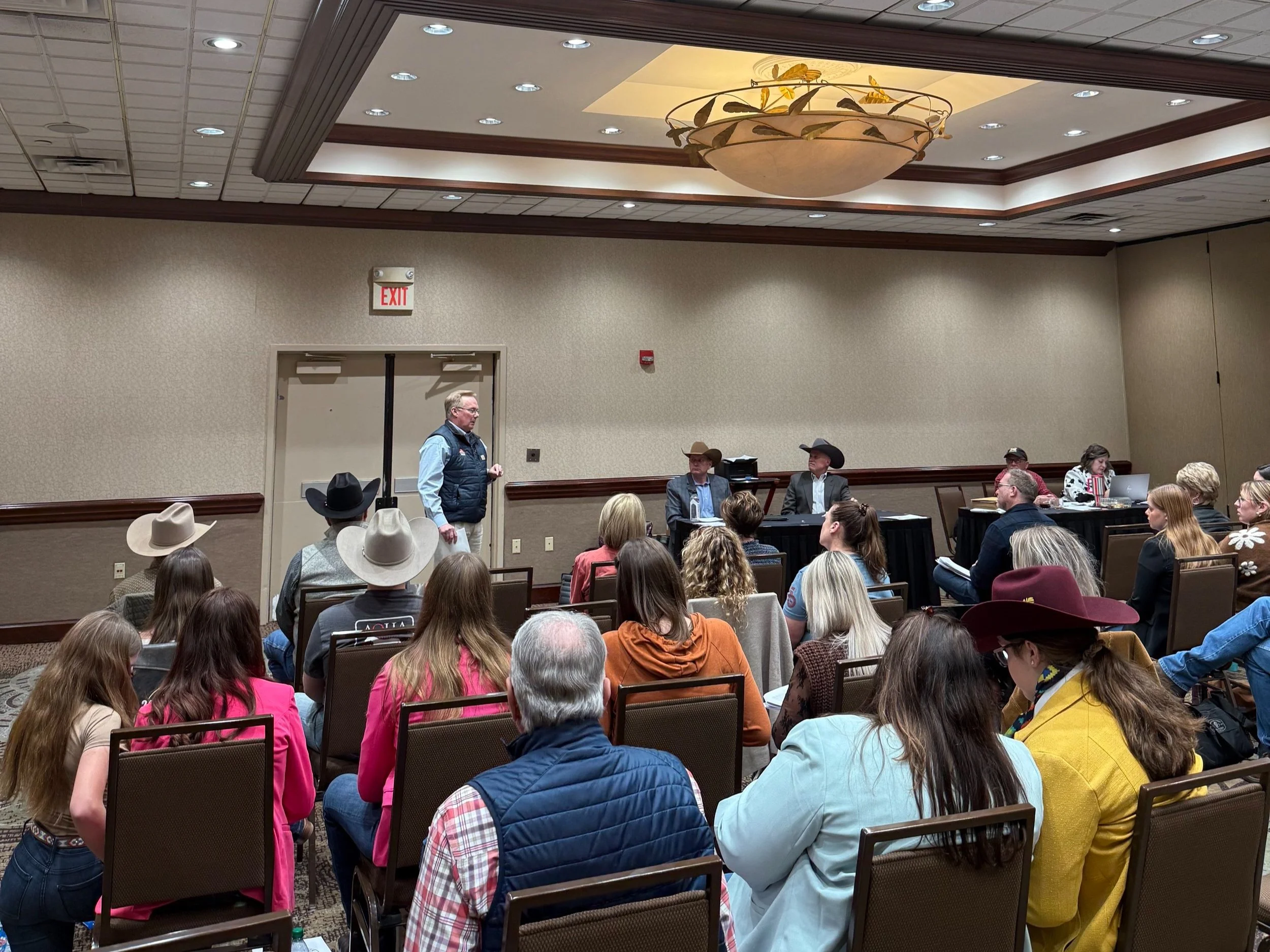
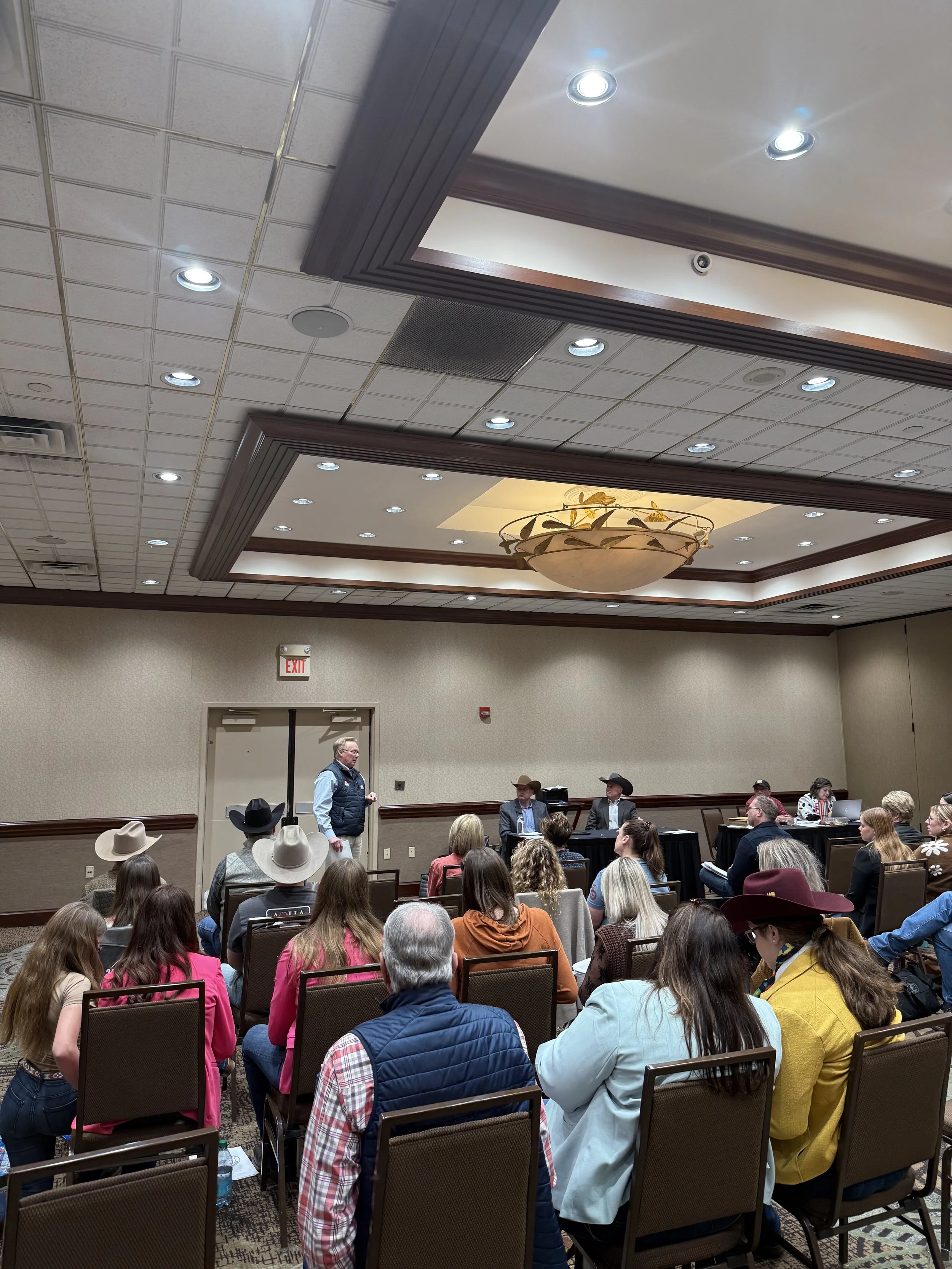
Bylaw changes are handled at official membership meetings.
1. Regular Membership Meeting (Convention)
Per Article II, Section 2:
TQHA holds regular meetings of the members at a time and place set by the Board of Directors.
This meeting is where:
Officers and directors are elected, and
Other business, including potential bylaw changes, may be brought forward.
This regular meeting is what most of us think of as the annual convention or general membership meeting.
2. Special Membership Meetings
Article II, Section 3 allows for special meetings of the members:
They may be called by:
The Board of Directors, or
The president, or
At least 25% of members in good standing.
The notice for a special meeting must state the purpose of the meeting and follow the same notice rules as regular meetings.
In theory, if properly called and noticed, a special meeting could also be used to consider bylaw changes—as long as the notice requirements for bylaw changes are met (more on that below).
The Key Requirement: 30-Day Written Notice
This is the heart of the process. Article II, Section 2 spells it out clearly:
Any proposed changes of the bylaws must be submitted in writing to the membership thirty (30) days prior to the meeting date.
That means:
Bylaw changes can’t be introduced at the last minute from the floor without prior notice.
The exact proposed changes must be:
Put in writing, and
Sent to the membership at least 30 days before the meeting where they will be discussed and voted on.
This protects the membership and process by:
Making sure everyone has time to read and understand the changes
Allowing for questions, discussions, and feedback ahead of the vote
Preventing surprises or rushed decisions on foundational rules
How Many People Have to Be There?
Article II, Section 4 keeps it simple:
As long as the meeting has been properly noticed (per the bylaws),
“The members attending such meeting shall constitute a quorum of the members for all purposes.”
In other words, if the meeting is held correctly and notice was given as required, whoever shows up and is eligible to vote becomes the quorum and can conduct official business—including bylaw changes.
Who Runs the Meeting?
Article II, Section 5 lays out who chairs membership meetings:
President (first in line)
Then First Vice President
Then Second Vice President
Then Executive Secretary
If none of those officers are present, the members at the meeting may elect a chairman for that meeting.
The Executive Secretary normally serves as secretary of the meeting and keeps the official record.
Role of the Board vs. the Membership
Article III, Section 6 gives the Board of Directors the authority to make rules and regulations about many aspects of TQHA’s operations (like show approval, membership rules, dues, and more) as long as these are not contrary to the bylaws or law.
However, that same section makes it clear:
All such rules are “subject to revision or amendment by the members” at a regular or special meeting.
So, while the board manages day-to-day governance and may adopt policies, the members retain the power to revise or amend them through the proper meeting and voting process—especially when it comes to bylaws, which sit at the top of TQHA’s rule structure.
Putting It All Together: A Sample Timeline
Here’s an example of how a proposed bylaw change might move through the process for the annual convention:
60–90 Days Before the Convention
A member, committee, or board identifies a needed bylaw change.
Draft language is written and submitted to tnquarterhorse@gmail.com by December 20th, 2025 for this year’s convention.
At Least 30 Days Before the Convention
The final proposed changes are submitted in writing to the membership.
TQHA sends the written proposal to all members in good standing, along with the meeting notice.
Convention / Annual Membership Meeting
The meeting is called to order and conducted according to the bylaws and Robert’s Rules of Order.
Members who meet the eligibility rules (including the 90-day and prior-year membership requirements) may discuss and vote on the proposed changes.
After the Vote
If the proposed change is approved according to voting procedures, the bylaws are officially amended as of that date and applied going forward.
Why This Process Matters
The bylaw change process is designed to:
Protect fairness and transparency
Ensure all eligible members have a chance to review and voice opinions
Keep TQHA’s governing document aligned with the needs of the association, while honoring its history and structure
If you’re considering suggesting a bylaw change—or just want to be ready to vote at the next convention—make sure your membership is current, watch for meeting notices and proposed changes at least 30 days in advance, and don’t hesitate to ask questions ahead of time.
Engaged members are what keep TQHA strong, responsive, and representative of the Tennessee Quarter Horse community.